Tracker
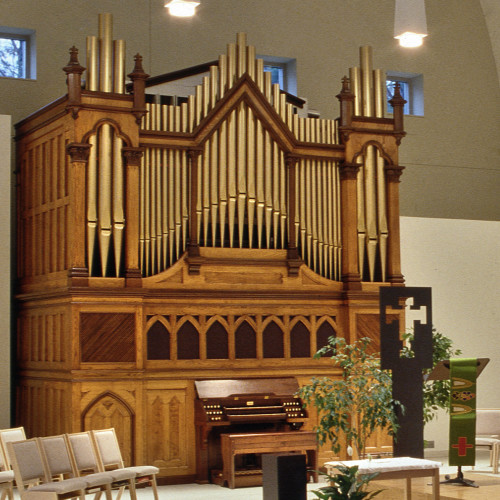
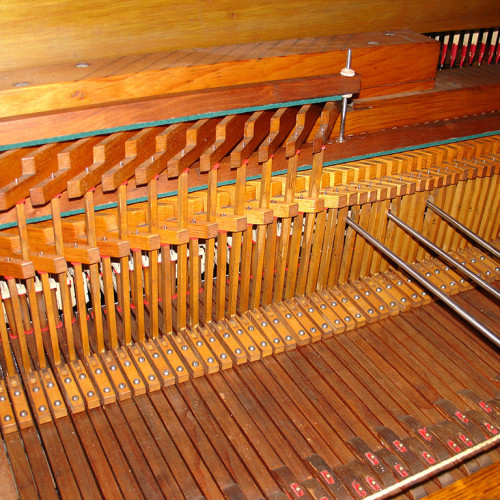
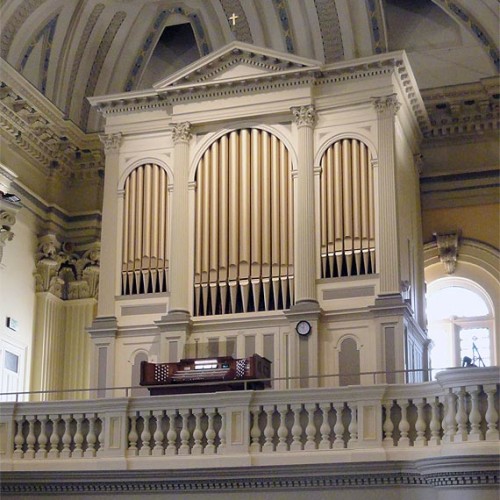
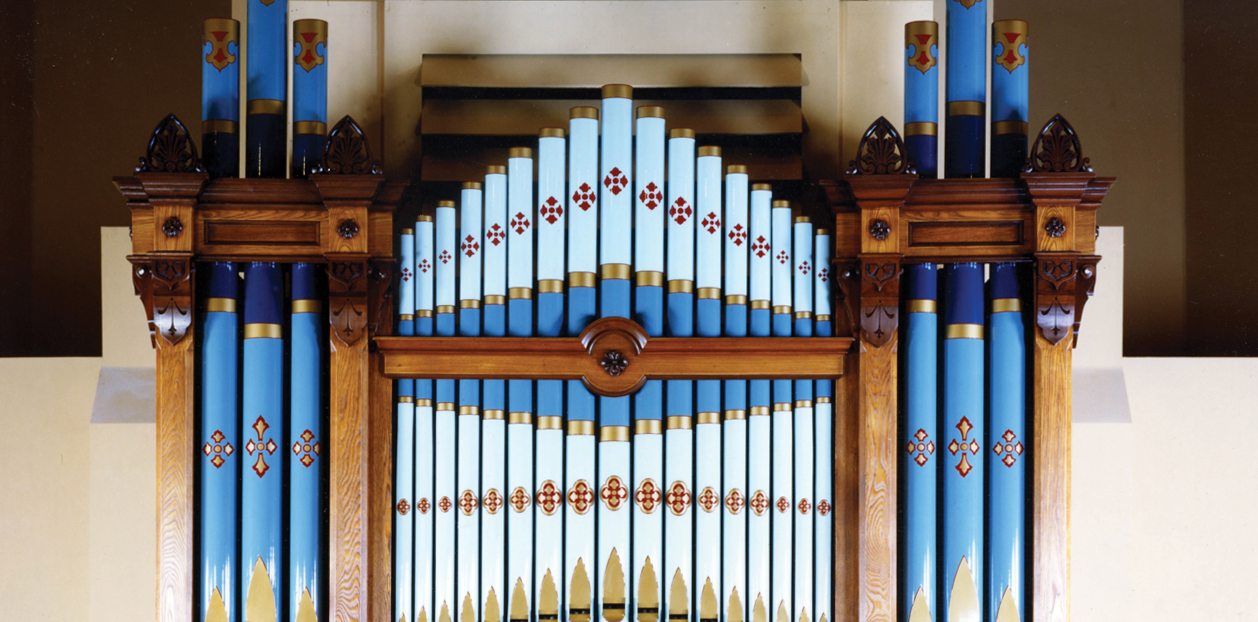
Some instruments of quality that are mechanically and tonally intact and continue to be well suited to the musical needs of their owners, can be restored to new life. The staff of Patrick J. Murphy & Associates takes pipe organ restoration seriously. We restore components that have worn out through age or use, repair damage that may have occurred through careless or improper maintenance, and recreate parts that might be missing. Our focus is twofold: respecting the artistry and intent of the original builder, while protecting the instrument’s future by maintaining its viability in the present. In cases where that viability necessitates deviation from original materials or methods, we make every effort to minimize the changes, make them reversible, and clearly document what was done so that future generations can make informed choices in their own time. The Organ Historical Society’s Guidelines for Conservation document guides our thinking in making the many value judgments and practical decisions involved in such a project.
The decision to restore any given instrument should not be made lightly. Some instruments are singularly musical or mechanically unique, and it is easy to decide. They provide musical evidence of a particular style of music or performance. In some other cases, attempts to keep up with changing musical fashions have altered an organ beyond recognition from their original builder’s intent but continue to serve the needs of the present. Weighing the merits of a historical pipe organ restoration against a sympathetic rebuilding can be a tricky and daunting process. We are happy to assist you in navigating these difficult waters, and help you determine whether or not pipe organ restoration is your best course of action.